
Preparation should be selective.
The goal is not to make the home perfect or remodel it for an imaginary buyer. The goal is to remove avoidable objections, make the property easy to understand, and direct attention toward its strongest qualities.
The best preparation plan reflects the home's price range, condition, likely buyer, competitive listings, and the seller's timing. A useful first step is to divide possible work into three groups: must fix, should improve, and leave alone.
Address confidence before cosmetics.
Visible deferred maintenance can make buyers wonder what else has been neglected. Leaks, broken fixtures, damaged surfaces, nonfunctioning lights, tired landscaping, and obvious safety issues deserve attention before decorative upgrades.
Documentation can also create confidence. Gather permits, invoices, warranties, improvement records, HOA information, and other property materials early so questions do not slow the sale later.
Simplify the visual experience.
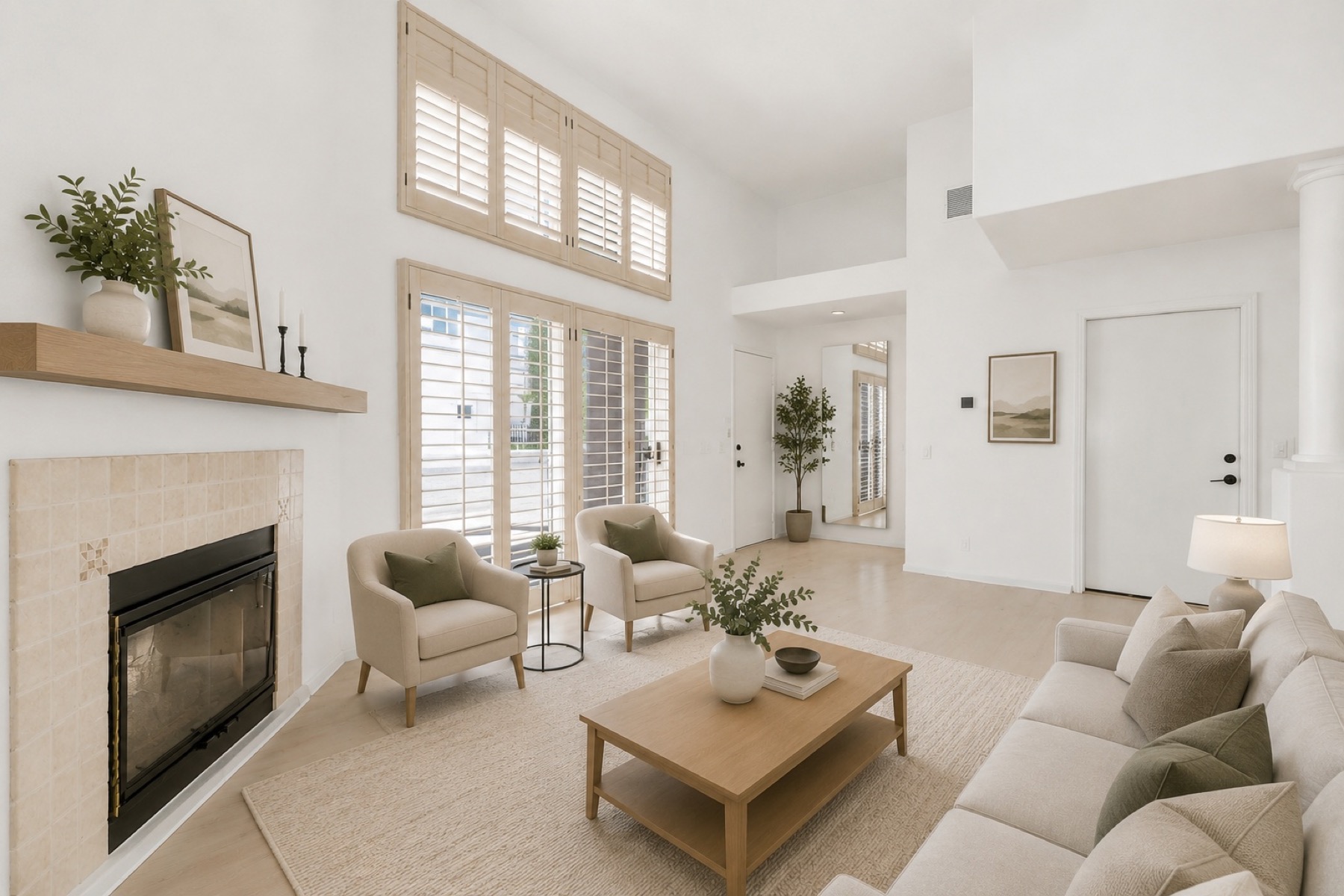
Editing furniture and personal items helps buyers understand scale, movement, storage, and natural light. This does not require removing every sign of life. It means creating enough visual calm that the rooms and architecture lead the experience.
Pay particular attention to the approach, entry, kitchen, primary suite, main living areas, and outdoor spaces. These moments often shape the emotional impression buyers carry through the rest of the showing.
Prepare for photography and real-life showings.
Photography rewards clean lines, balanced rooms, working lighting, and carefully arranged surfaces. A home must also function well in person, where temperature, scent, noise, access, and small maintenance details become noticeable.
Complete the physical work before photography whenever possible. The listing should open with one consistent story rather than improving in stages after buyers have already formed an opinion.
A focused pre-market checklist.
- Walk the property with a market-aware advisor before committing to large projects.
- Repair visible maintenance and safety concerns.
- Edit furniture, storage, counters, and personal items.
- Refresh landscaping, lighting, paint, and hardware where the impact justifies the cost.
- Gather property records and complete disclosures thoughtfully.
- Schedule staging, photography, video, and launch dates as one coordinated plan.
This article provides general real-estate information, not legal, tax, financial, insurance, or inspection advice. Consult the appropriate professionals regarding your circumstances.